Anke Bernau
Principal Investigator
Anke Bernau is a Senior Lecture in English and American Studies at the University of Manchester. She has specialised in late medieval literature and culture and has a long-standing interest in ecocriticism . In recent years, these interests have come to shape her research more an more, which has moved into the field of plant humanities. MossWorlds brings together these strands, drawing together the historical, aesthetic, botanical and ecological relations that shape the lifeways of mosses and their people.
Aurora Fredriksen
Principal Investigator
Aurora Fredriksen is a Senior Lecturer in Human Geography at the University of Manchester. Her work explores the spaces where the ordinary and crisis coexist, with a focus on encounters with planetary socio-ecological change. She engages with these themes in a variety of empirical and interdisciplinary settings, most recently in research on wildlife geographies and ordinary experiences with/in the Anthropocene. She comes to MossWorlds with a keen interest in the ordinary-extraordinary dynamics of mosses as they quietly inhabit rapidly changing worlds.
Ingrid Hanson
Principal Investigator
Ingrid Hanson is a Lecturer in English literature at the University of Manchester, with a particular research interest in social change, social dreaming and ideas of peace. She has published work on nineteenth- and twentieth-century writings on peace, as well as on Victorian socialist and anarchist journalism, masculinities, mourning, and utopia. She is currently working on a book project on political and literary constructions of peace (including land justice and ecologies of peace) in the long nineteenth century. She comes to MossWorlds with a particular interest in the politics of mosses, their uses, migrations and names.
Abbi Flint
Dr Abbi Flint is a poet and researcher working across archaeology, environmental history and the environmental humanities, who integrates poetic, mobile and qualitative approaches within her work. Her research practice is influenced by phenomenological perspectives and concerns the plural, multi-species, and multi-sensory aspects of human entanglements with their environments and other-than-human beings. Her poetry has been published in online and print magazines, and been included in various research projects.
Antony Hall
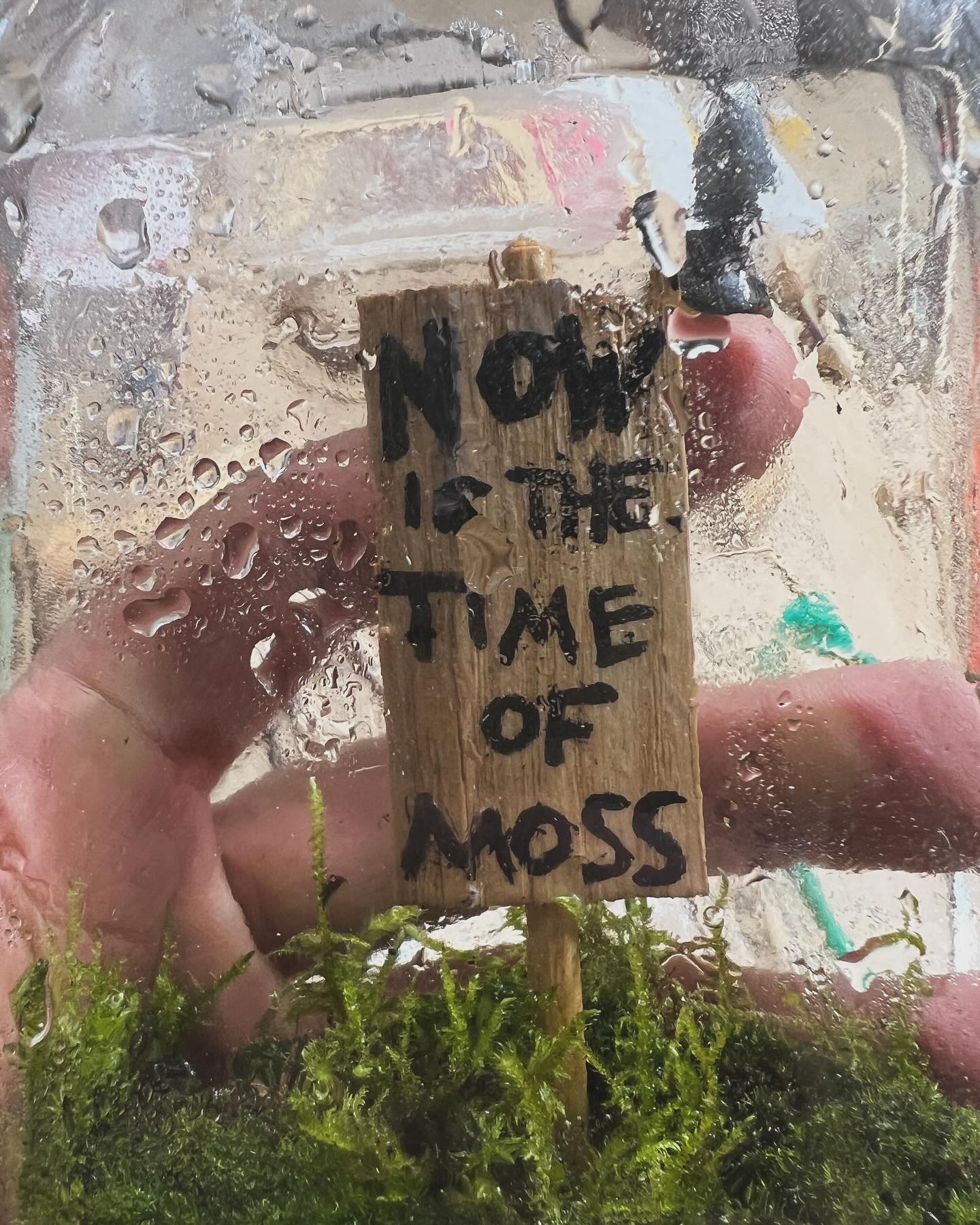
Antony Hall (MMU/ SODA Future Media Production) is an artist and academic working at the intersection of science and art. His practice encompasses installation and participatory practices. Hall’s research has traversed a broad range of subjects, from the communication signals of electrogenic fish and the phenomenology of hallucination, to listening to the sound of moss and ecological surveys.
BRYOMANIA (2021-ongoing) is a research project consisting of a series of interdisciplinary artworks, mobile interventions/ objects (maps and terrariums) and site-specific workshops, which explore Bryophytes (moss and the places of moss) and investigate the capacity of tactical pop up interventions and mobile actions (walking) to heighten awareness of biodiversity.
Oliver Hughes
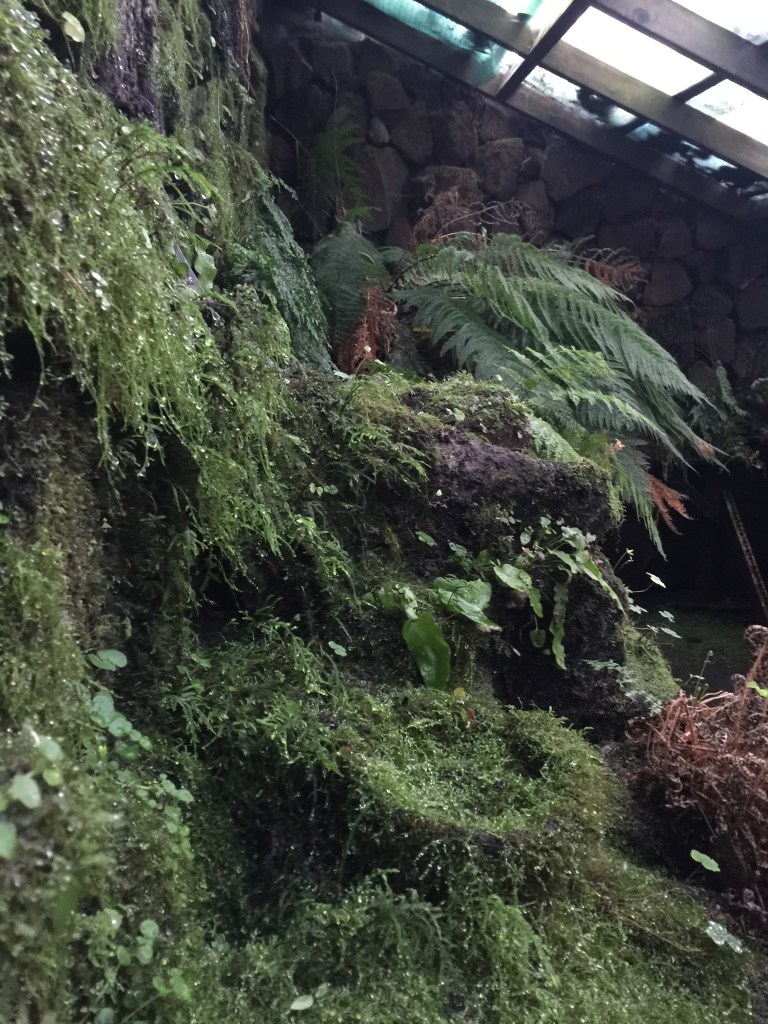
Oliver Hughes is the technical manager at the University of Manchester’s Firs Environmental Research Station. The site comprises state of the art greenhouse and atmospheric science facilities, and is home to the University’s Living Plant Collection. It supports research and teaching in plant and environmental sciences and humanities, working to solve and educate on the pressing problems of our age, including food security, biodiversity loss and climate change. The Firs has one of the only Moss houses in the UK, containing a diversity of bryophytes; mosses and liverworts, as well as club mosses and ferns. It supported early botanical research into lower plants and is still used for teaching and research. Oliver’s scientific background is in plant conservation, sustainability and environmental science.
Giles Johnson
Giles Johnson is an environmental plant physiologist in the Department of Earth and Environmental Sciences. His research looks at how plants respond to environmental stress and climate change, trying to learn lessons from plants that tolerate extreme environments to help breed new crops for the future. He teaches plant evolution, looking at how we got from single celled algae, via mosses and liverworts, to the range of plants we see today. He is passionate about communicating about plants and is director of the University of Manchester Botanical Grounds, home to a century-old “moss house”.
Sophy King
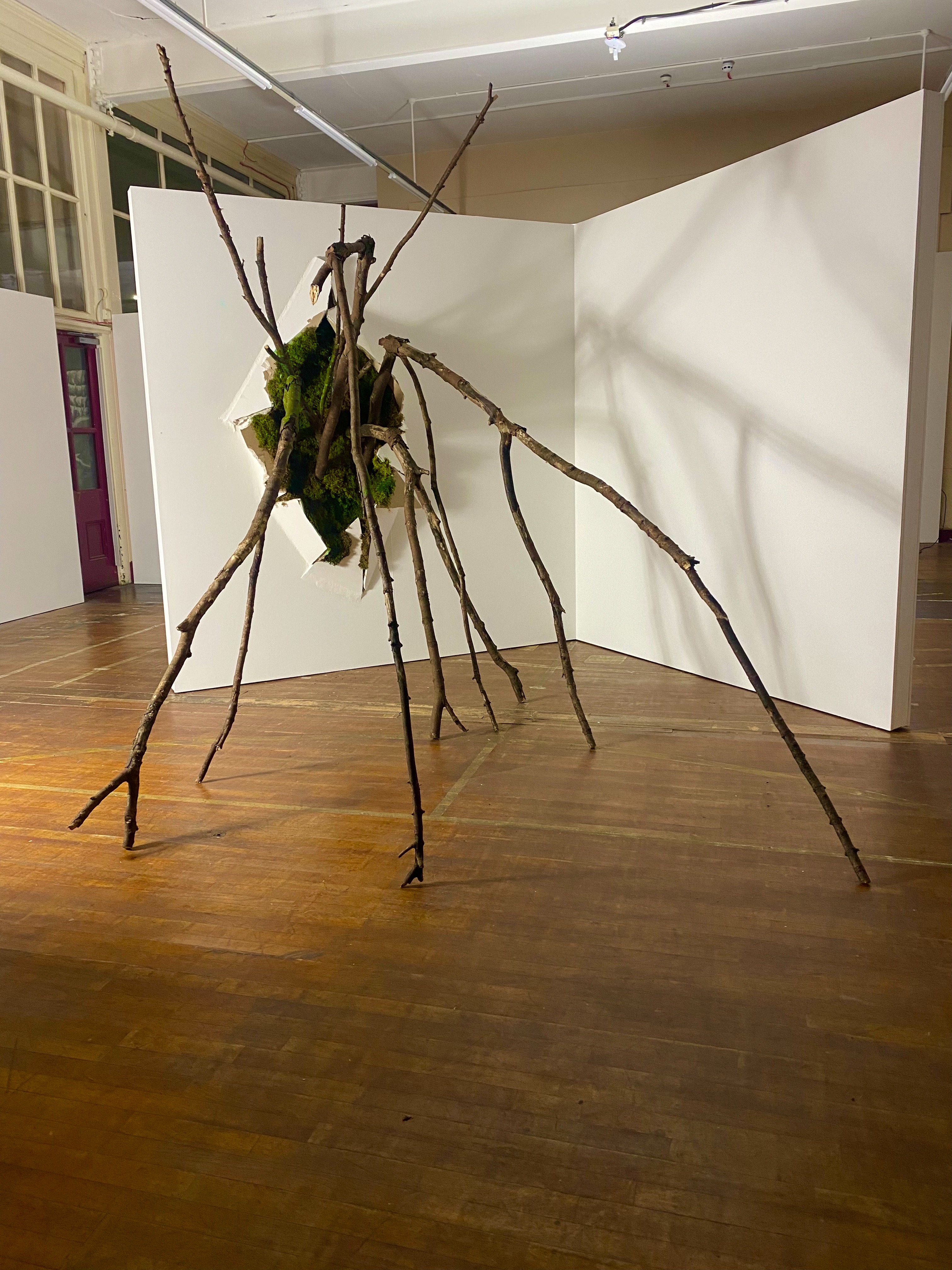
Sophy King is a multidisciplinary environmental artist, investigating the climate crisis, human and non-human ecologies, geological time and socioeconomic histories. She examines these through site-specific installation, sculpture and audiovisuals, using living elements, natural and man-made materials.
Originally trained in 3D Design, she worked as a glassblower, art fabricator, set-builder, prop-maker and landscape architect whilst winning commissions to create art in the public realm around the UK. She developed her studio practice further with an MA in Fine Art at MMU in 2019; since then, she has been exhibiting, curating and working on residencies nationally and internationally.
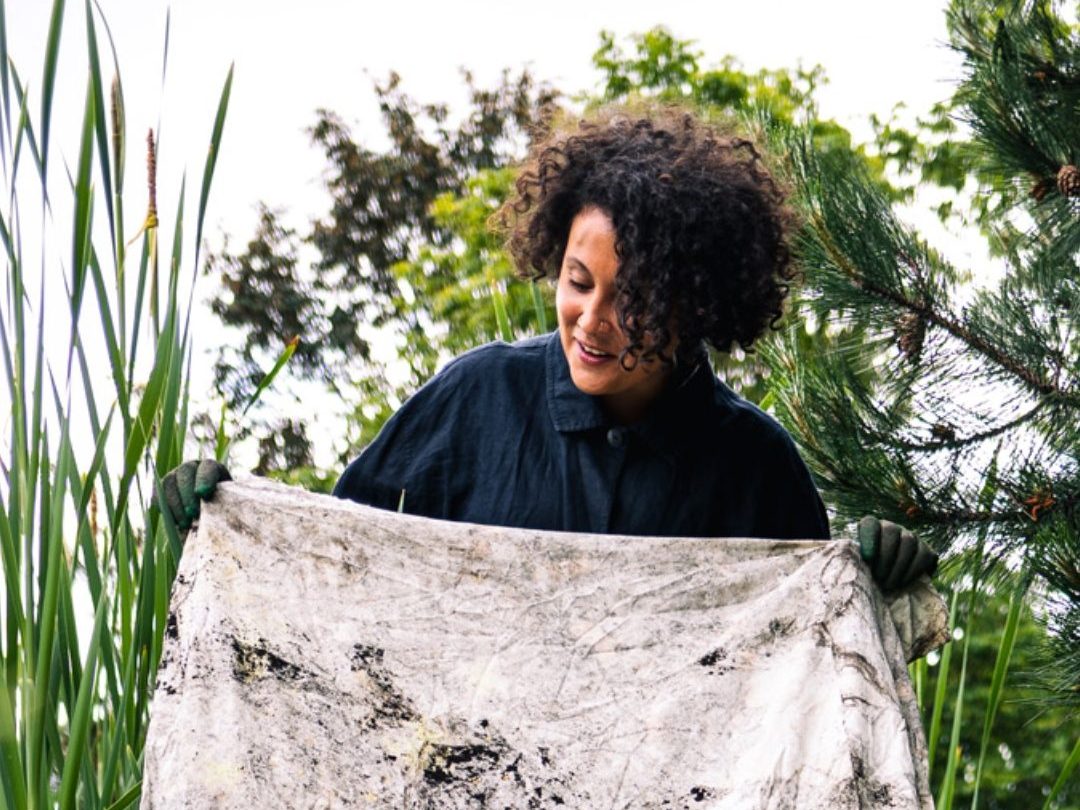
Natalie Linney
Natalie Linney explores human connection to landscape, nature & place throughout her work. Using textiles, form & print, she produces visual responses to current, historical, environmental & anthropological themes. With a background in eco prints & natural dyes, Natalie utilises ancient dyeing techniques to make site specific prints documenting landscape & heritage. Natalie’s practice regularly develops to include new materials & ways of making, she seeks to fuse traditional crafts with modern concepts to preserve these methods whilst making them relevant today.
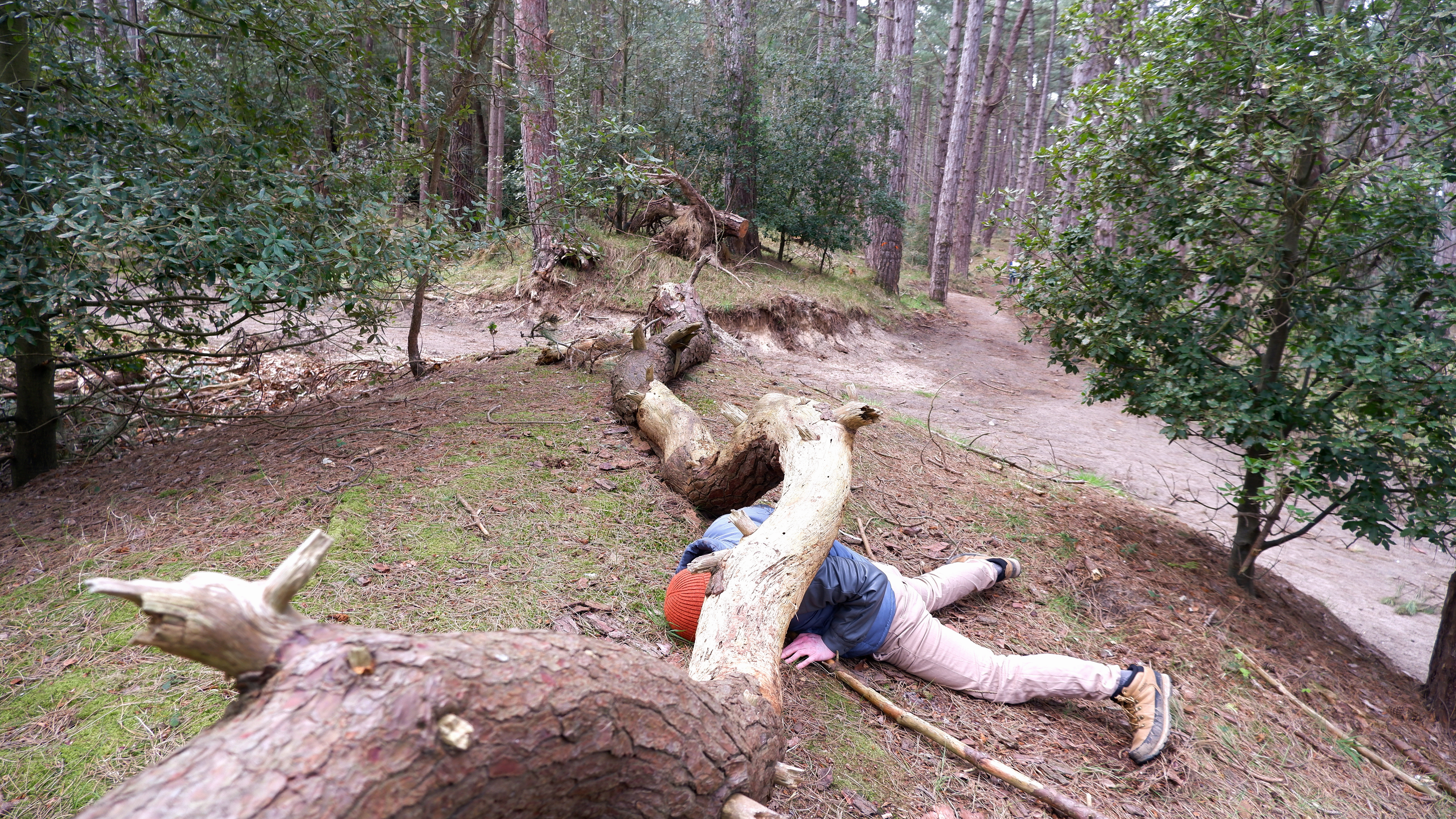
Henry McPherson
Dr Henry McPherson is a composer, improviser, and Postdoctoral Research Associate with the Creative Manchester research platform at the University of Manchester. Henry’s research work focuses on improvisation and spontaneous creativity within the performing arts, with a particular interest in applied performance for social, environmental, and health benefit. His creative work explores moss music and microclimates, dialogues with trees, sonic collage, illustrated notation, and dancing with instruments. His developing approach to ‘ecological improvisation’ aims to cultivate inclusive listening and interspecies empathy in and through performance. He is a co-investigator on the Moss Worlds Project.
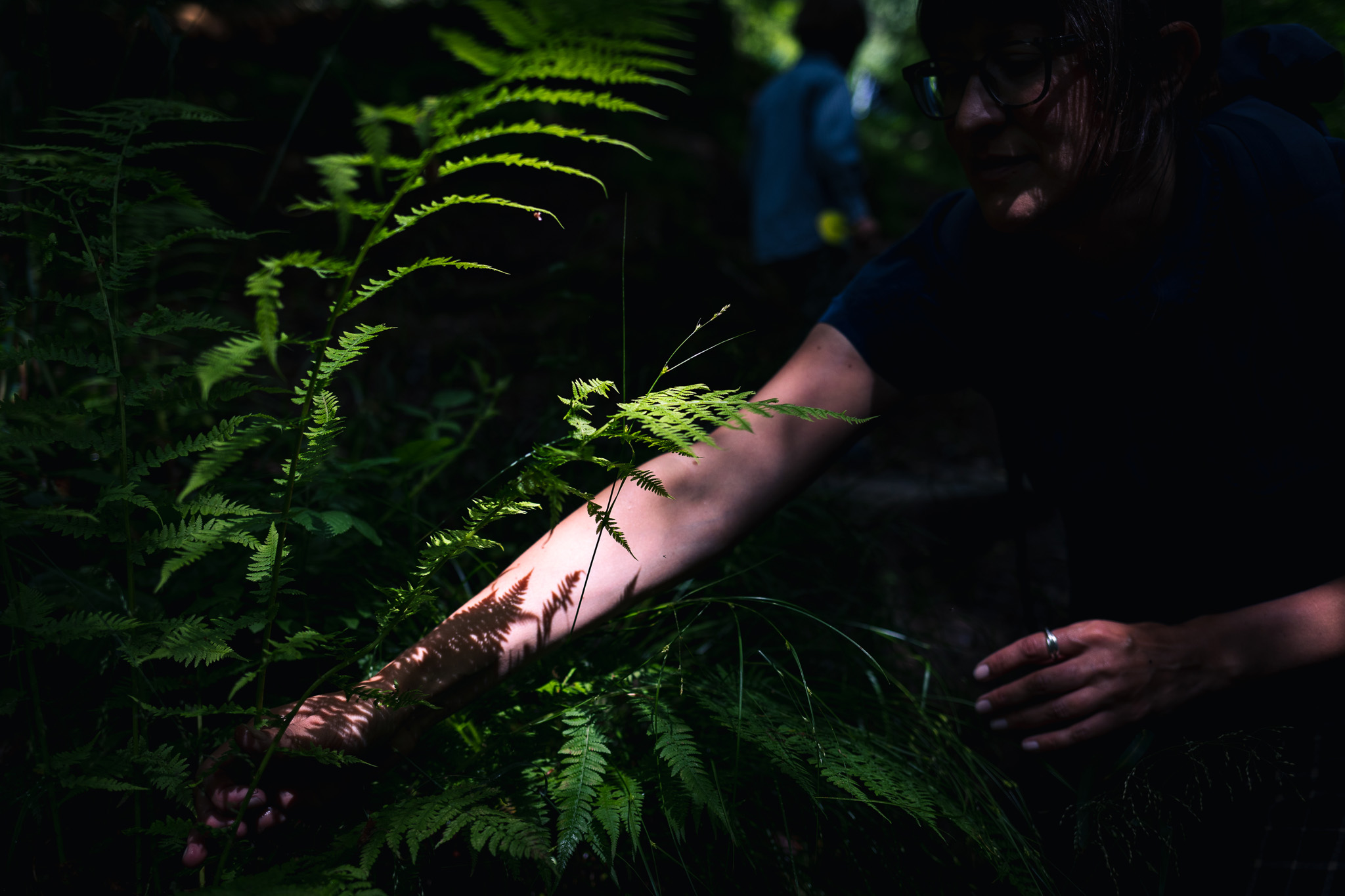
Laura Pottinger
Laura Pottinger is a Research Fellow in cultural geography at the University of Manchester. Her research is interested in everyday forms of social and environmental activism, people and plant relationships, and ‘slow’ practices of making and cultivation. She draws on creative, participatory and ethnographic methodologies to explore these themes. Her doctoral research explored seed saving and the alternative economies developed by networks of gardeners in the UK around plants and seeds. She currently works closely with textile artists and makers to consider the potentials and challenges of slow making and natural dyeing.
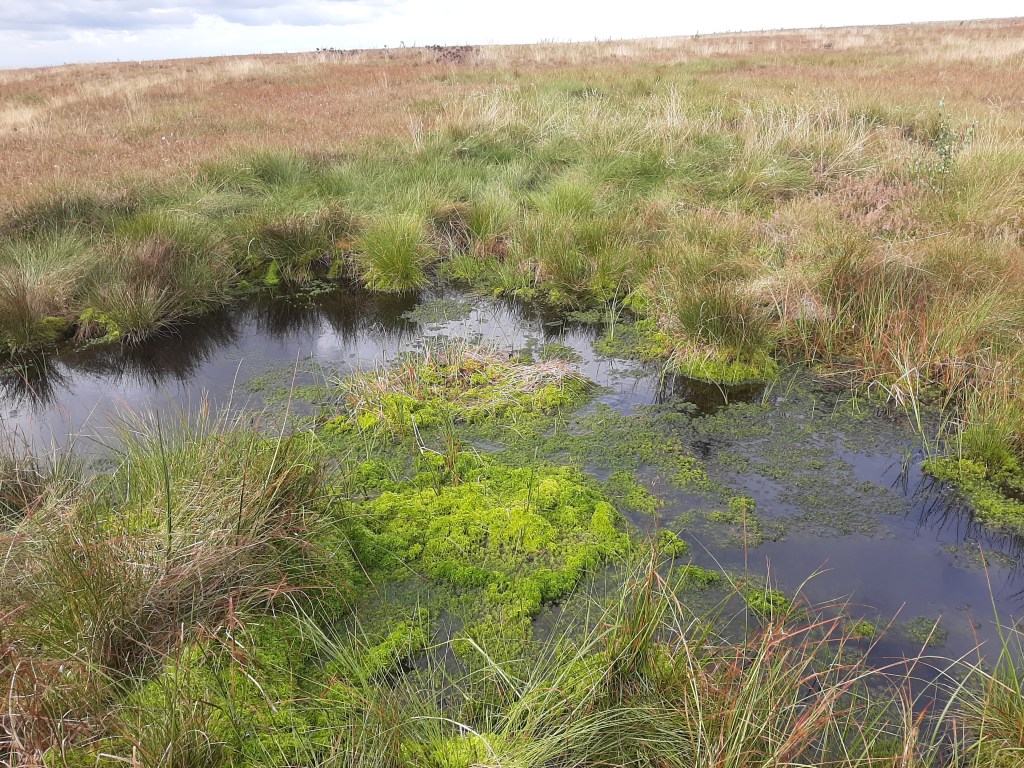
Jonny Ritson
Jonny Ritson is a research fellow in the Geography Department at the University of Manchester. He is primarily a peatland biogeochemist working on restoration projects across the UK. One aspect of his work looks at the potential of mosses to act as both a carbon sink via peat formation but also as hosts for methane-eating bacteria. Together these processes may offer a powerful tool to fight climate change.
Damian Rivett
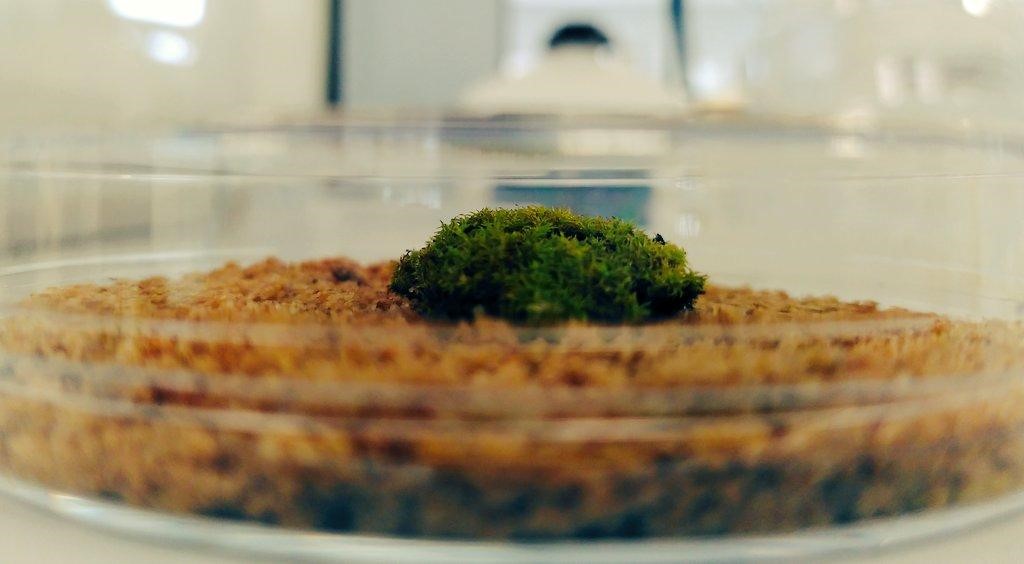
Damian Rivett (Manchester Metropolitan University) is a microbiologist with a broad interest in the ecology of, and interactions within, the unseen biosphere. His work uses traditional and cutting-edge techniques and takes him from corridors of inner-city hospitals to the expansive horizons of coastal wetlands, all the time investigating the intermingling of microorganisms from bacterial viruses to tardigrades.
Emma Shuttleworth
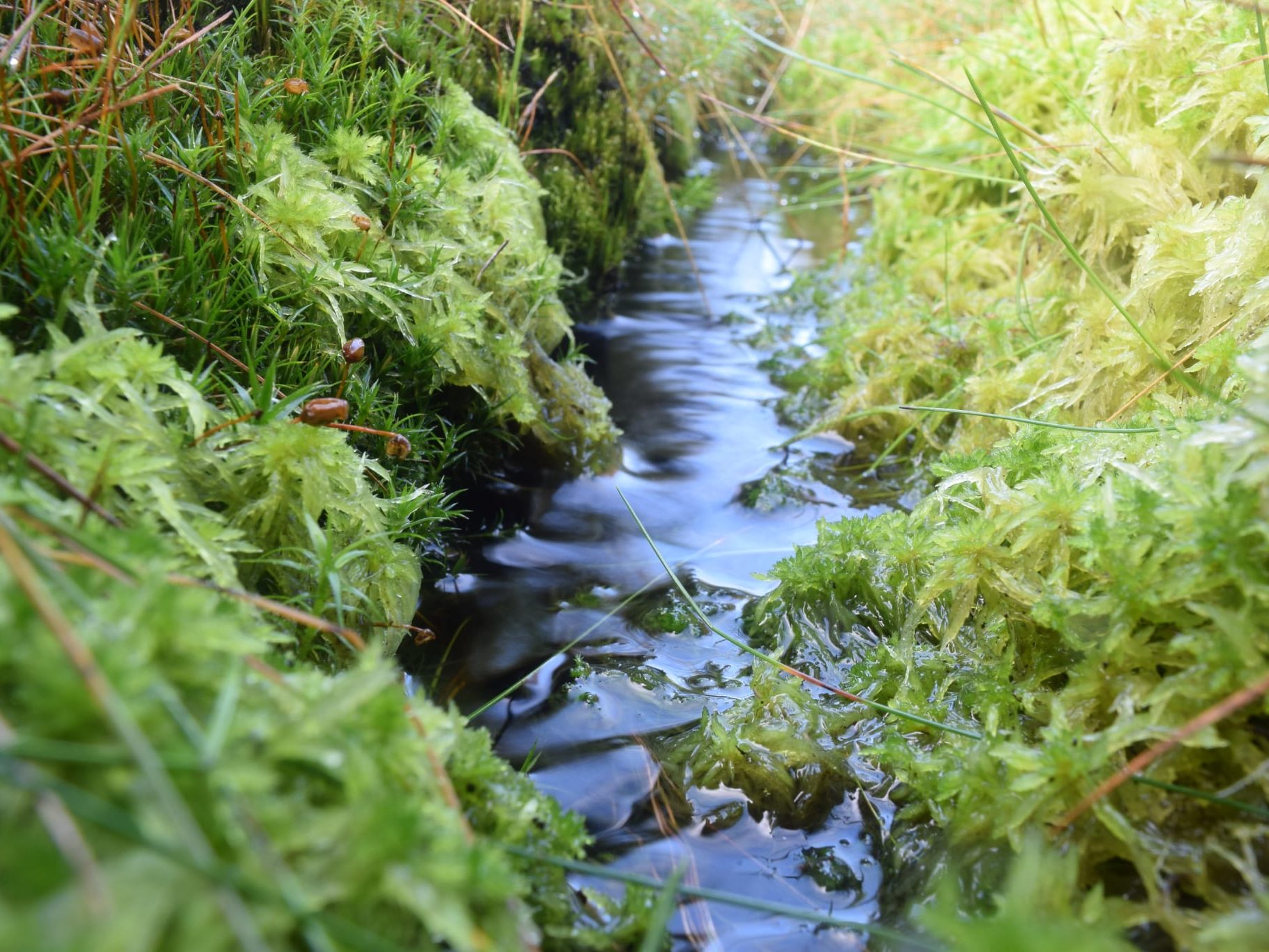
Emma Shuttleworth is a Senior Lecturer in Physical Geography at the University of Manchester. She has over 15 years’ experience of working closely with practitioners on landscape-scale peatland restoration initiatives, providing the scientific evidence base for the efficacy of restoration works. Her research sits at the nexus of policy and practice, combining the fields of hydrology, geomorphology, ecology and biogeoscience to understand ecosystem recovery. Her current mossy focus is on how Sphagnum reintroduction in upland headwaters can contribute to Natural Flood Management by slowing the flow of water and how resilient Sphagnum might be to future climate change.
Rachel Webster
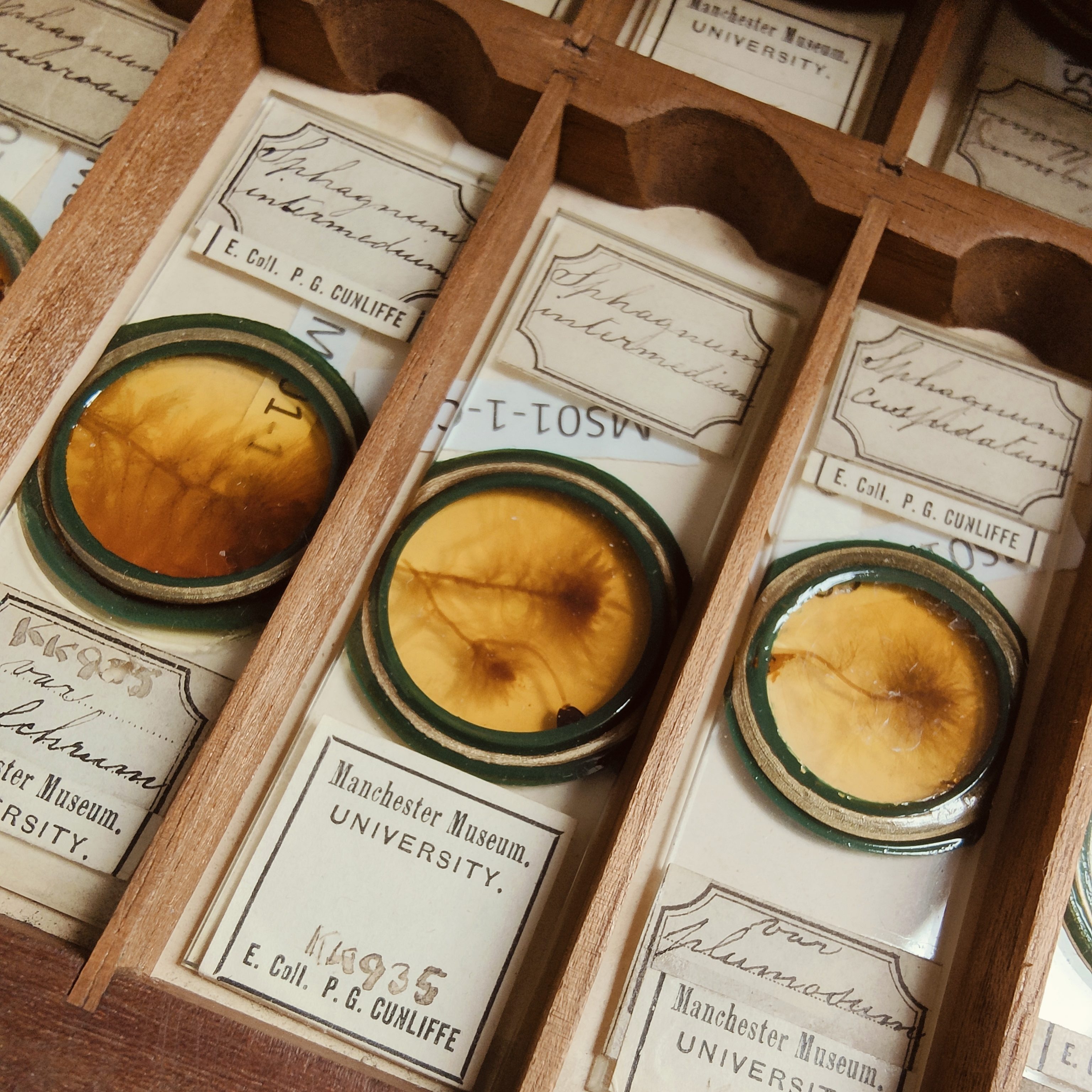
Rachel Webster is a curator at Manchester Museum, responsible for the herbarium of the University of Manchester. North-west England has a long tradition of the study of plants which reproduce by spores. This history is represented in the herbarium with an internationally important collection of liverworts, hornworts and mosses (the bryophyes). These are accessed by many bryophyte enthusiasts, for purposes including personal study, scientific and historical research, and artistic inspiration. Rachel’s own scientific background is in plant physiology and molecular biology, particularly in seed plants.
 MossWorlds